コンテンツにルビは不要?メリットとデメリットを考えてみた
皆さん、こんにちは!モルダモルキです。
今日はYouTubeにアップした12本目の動画をご紹介します。
まだ過去の動画を見ていない方はこちらをご覧ください 📺
👉 https://www.youtube.com/@molda-molki
12本目の動画はコンテンツにルビを振ることのメリットとデメリットを語りました。
あんまり扱われないニッチなテーマですが、ニッチだから、視聴回数取れなさそうだから扱わないとするのではなく私は気にせずに扱っていこうと思います。
私は最初、漫画を描く際に難しい漢字にだけルビを振るべきなのか、全部に振るべきなのかルビの運用方針で迷いましたので、自分のコンテンツにルビを振るべきかどうかの判断材料になれば嬉しいです。
難しい漢字にのみ振る場合、「これぐらい読めて当たり前だよね」という言外のメッセージを発信しているような気がして、私は自分基準で物事を見たくないと思い、全部の漢字に一律でルビを振ることにしました。
自分の考えている「当たり前」は他の人にとっては「当たり前じゃない」かもしれない。自分の当たり前を中心に置きたくないと考えました。
全部に振った方が迷いもないですし、その方が読者に対して親切かなと思いました。もちろん、狙っている読者の年齢層や属性に合わせて柔軟に運用していいと思いますが、私はそのように考えました。
この部分は動画では含めなかった部分です。
ルビはユニバーサルデザインであり、ブランディングという意見を動画では中心に語りました。
その他にルビを振ることのデメリットについても触れました。
文章で読むと真面目な感じの印象を持ってしまうかもしれませんが、会話劇とギャグで楽しく語りましたのでぜひご覧ください♪
📺 https://youtu.be/krxtIFPUyhE
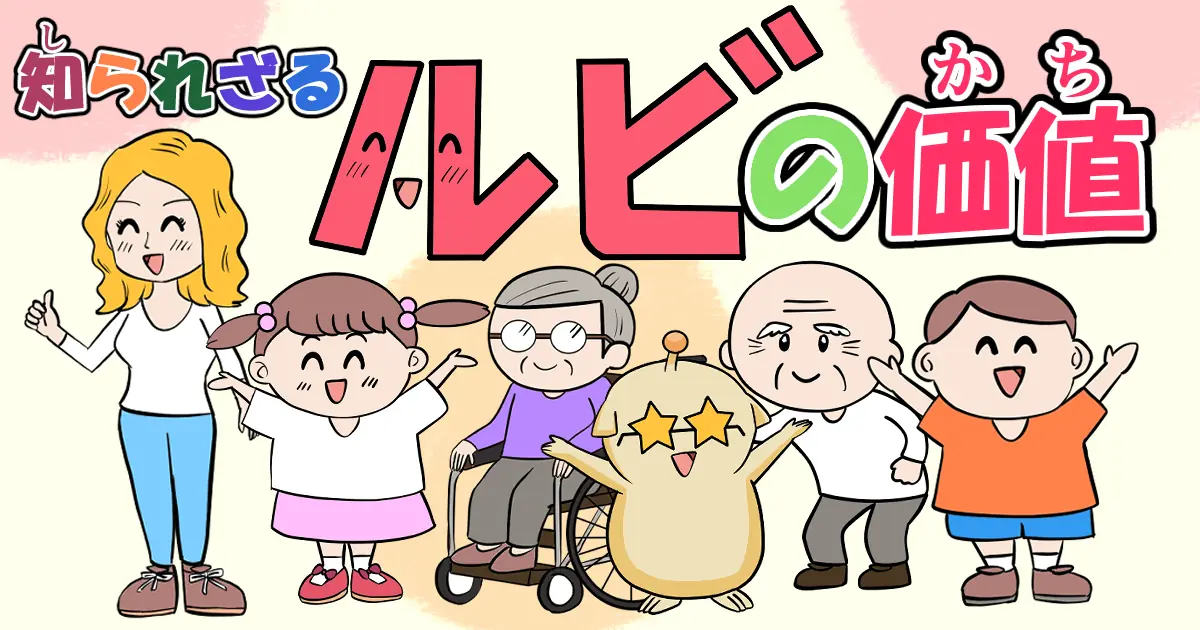
動画で使ったイラストの一部です♪他のイラストやGIF画像を見たいという方は「モルキの自由帳」や「ダンシングGIFホール」をご覧ください🎨
モルキの自由帳:https://fukabori-colors.com/molki-sketchbook/
ダンシングGIFホール:https://fukabori-colors.com/dancing-gif-hall/
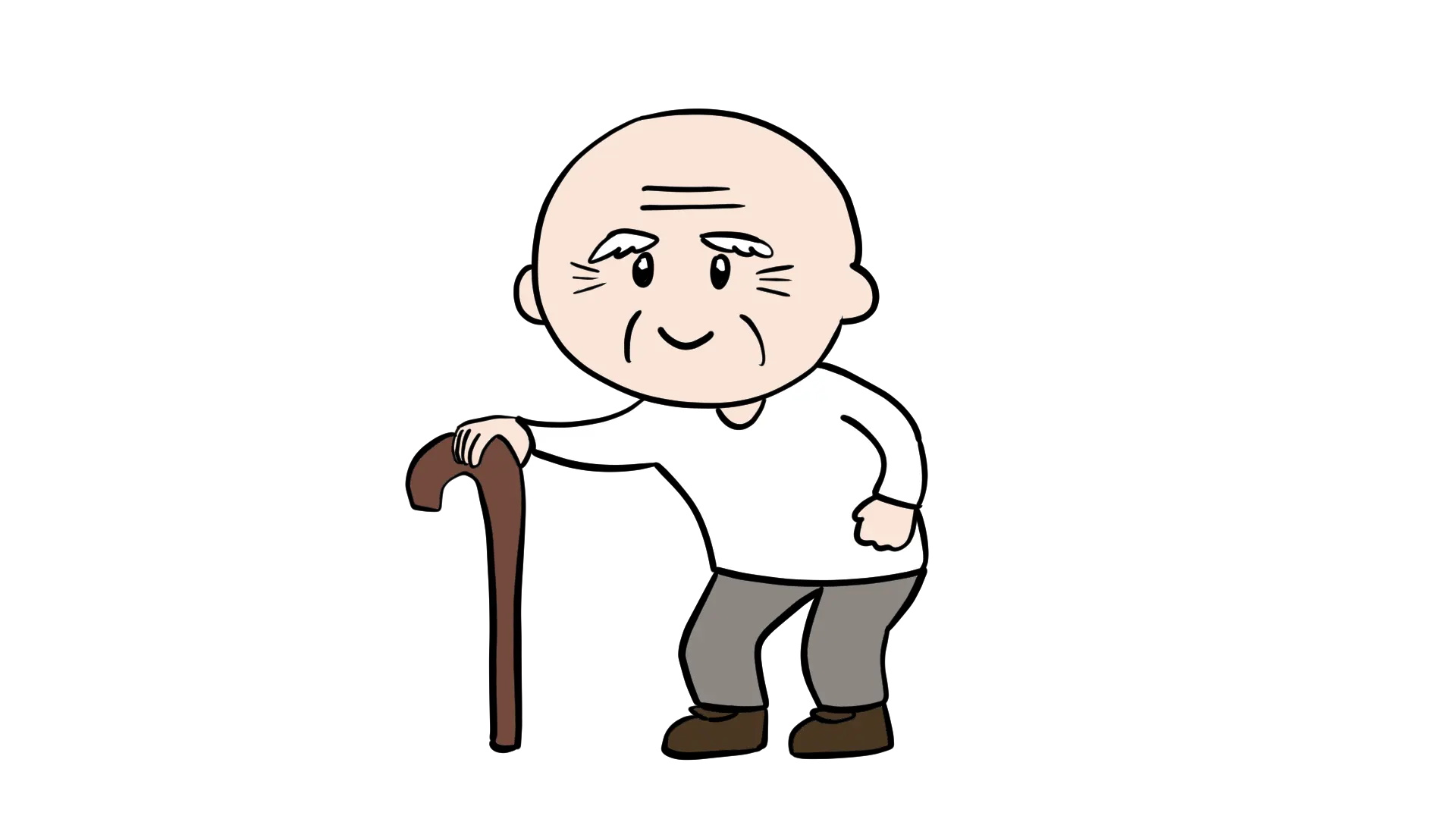
おじいさん
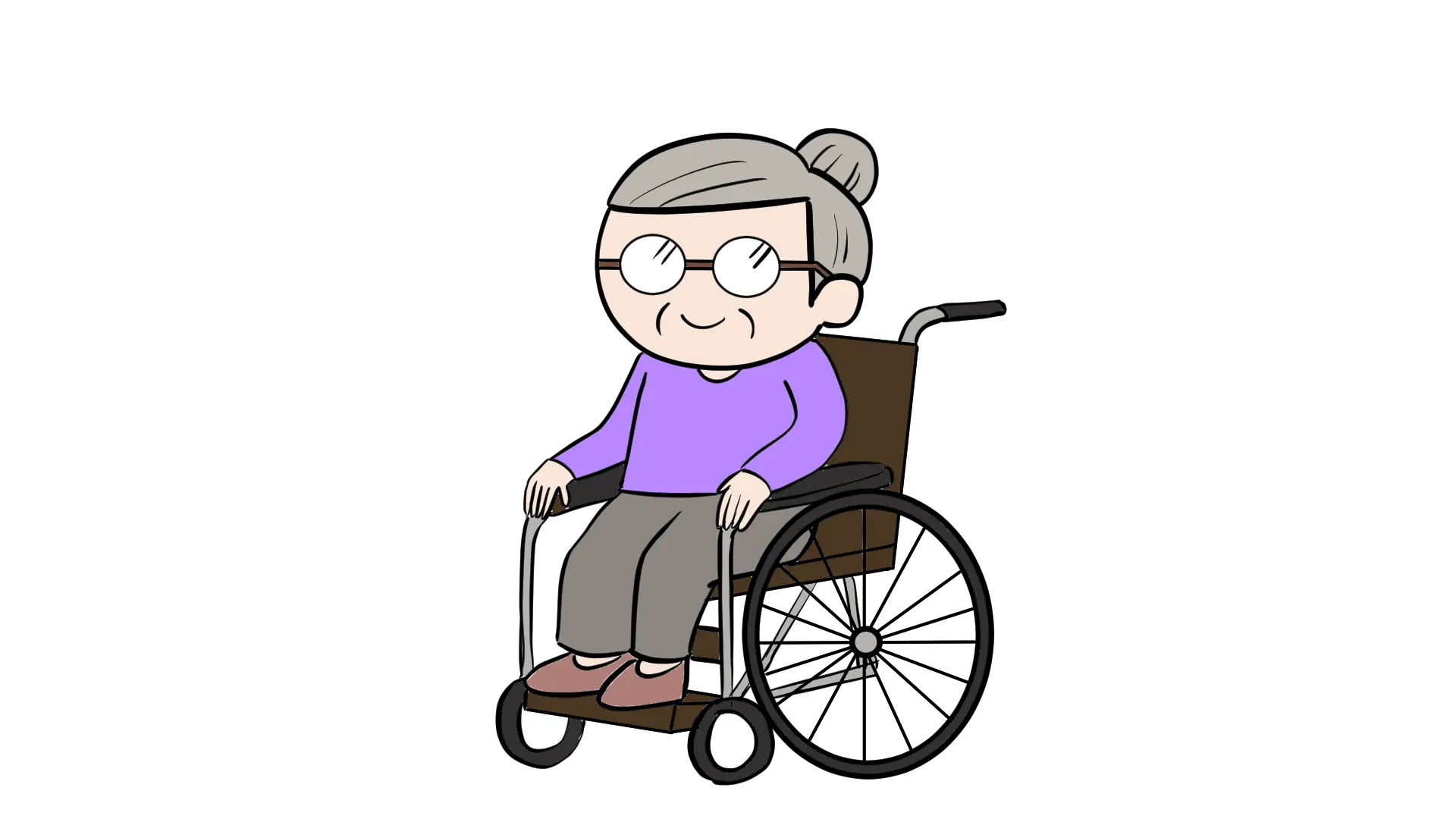
車椅子のおばあさん
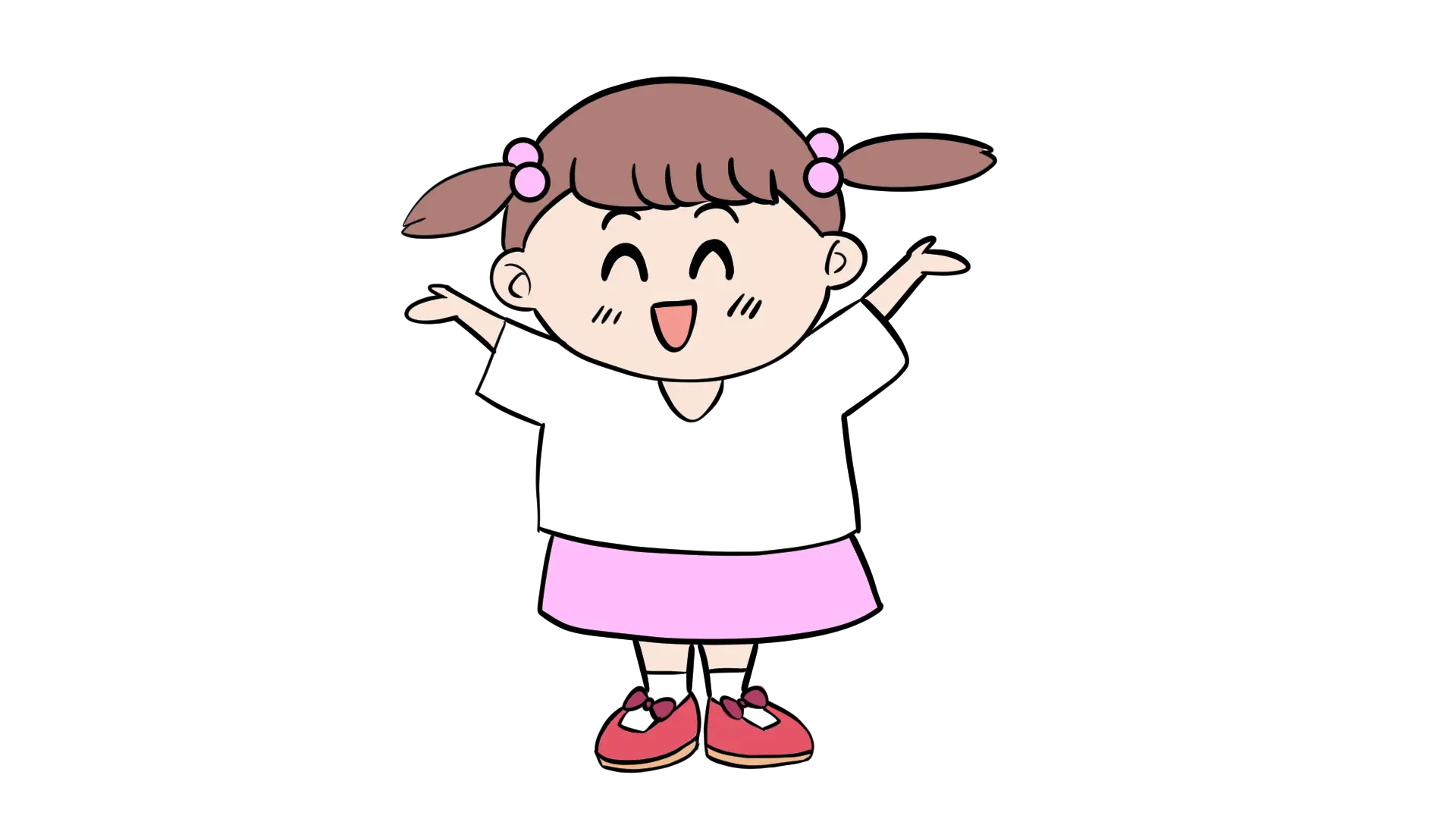
少女
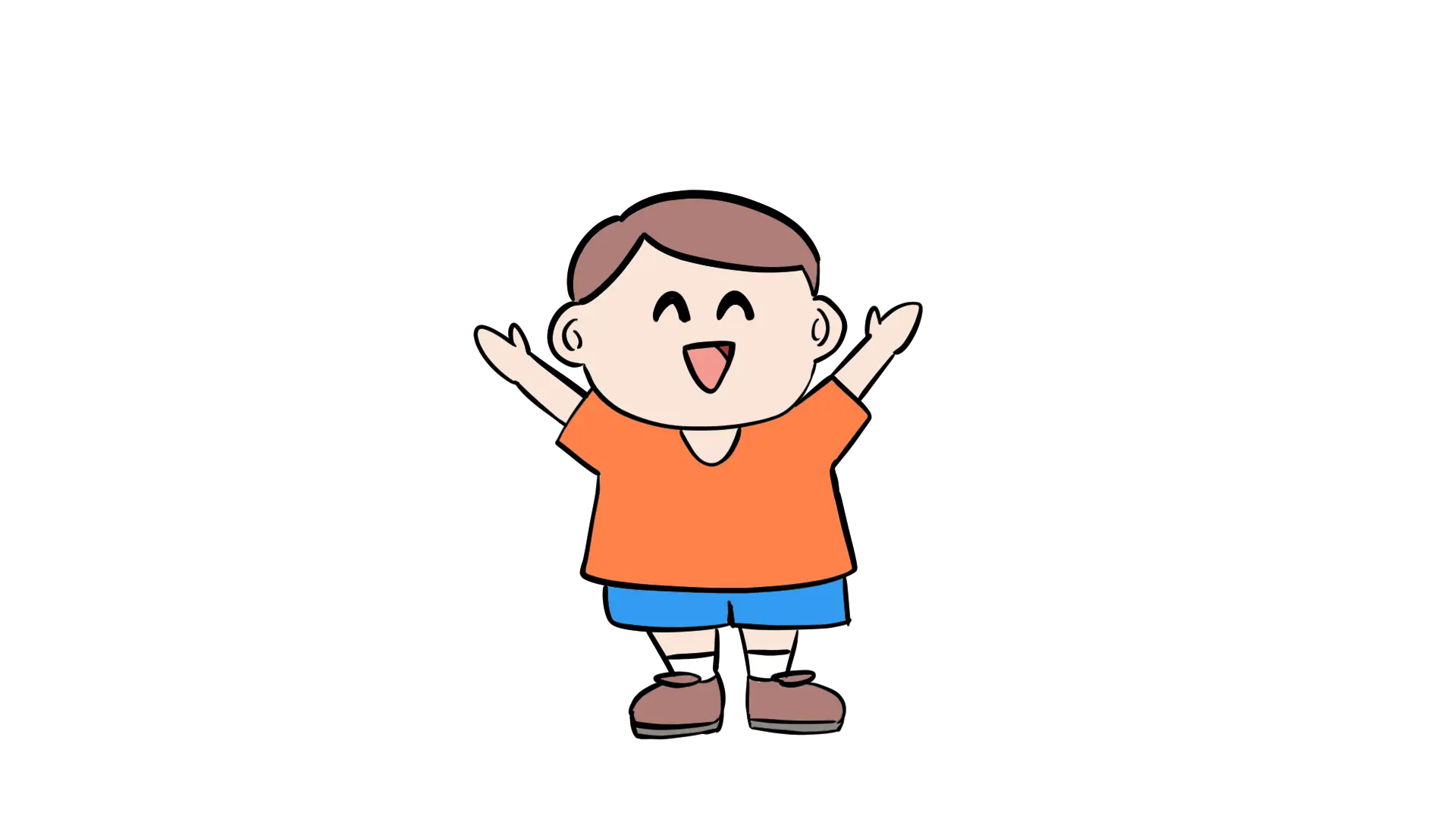
少年
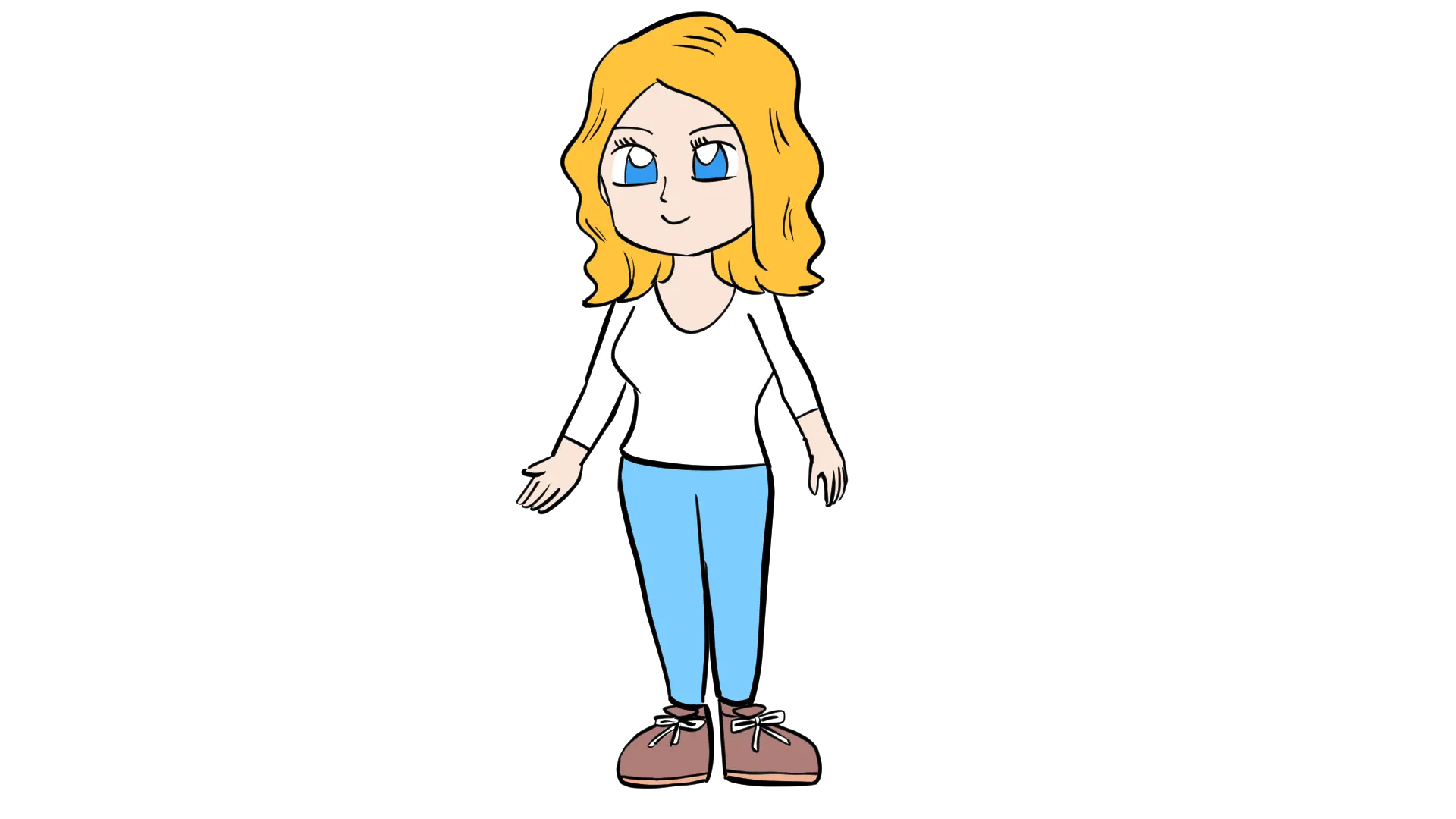
海外の女性
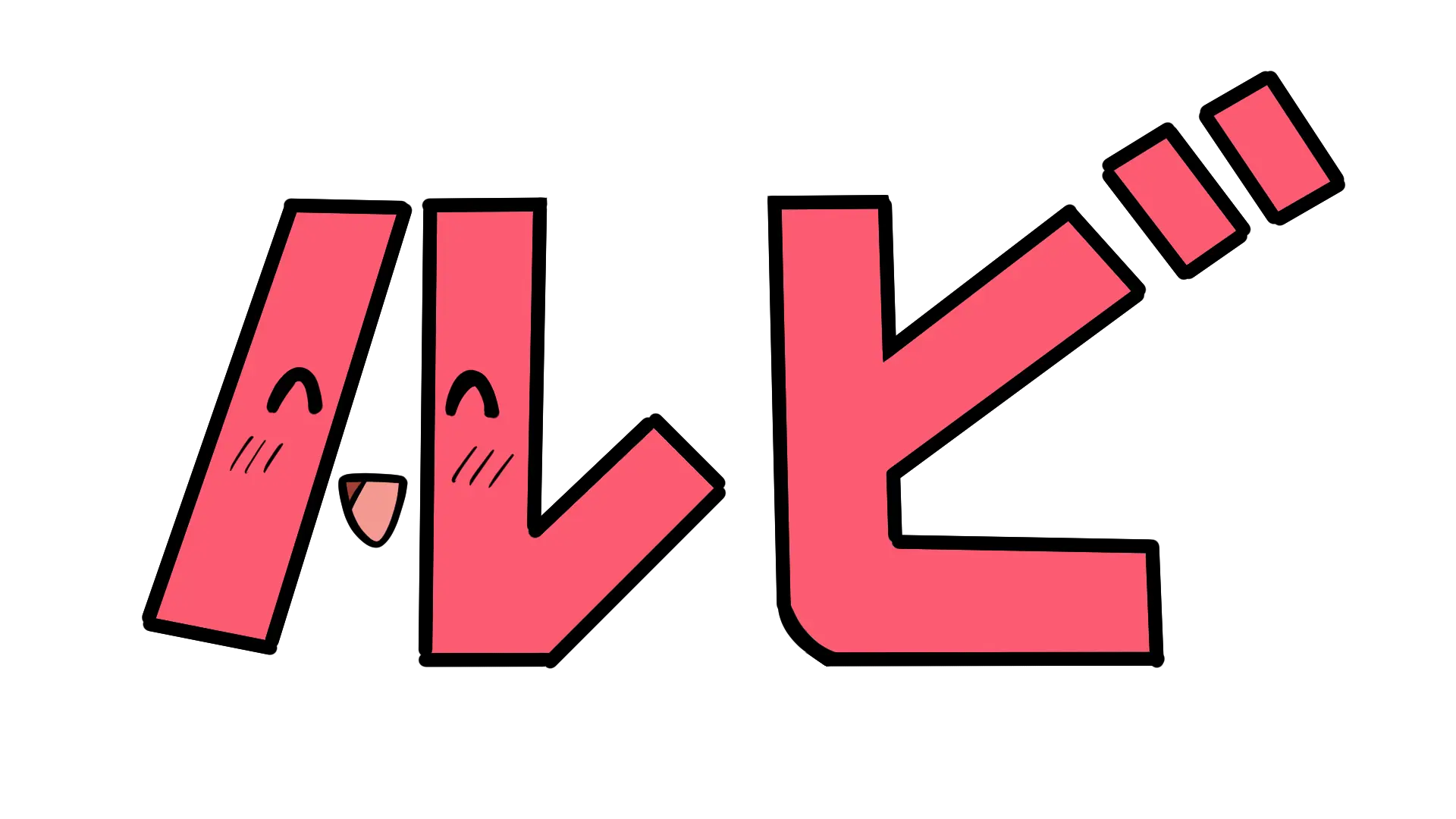
笑顔ルビ
Are Furigana Unnecessary for Content? I Explored Their Pros and Cons
Hello everyone! I'm Molda Molki.
Today, I'd like to introduce the 12th video I've uploaded to YouTube.
If you haven't seen my previous videos yet, please check out my channel! 📺
👉 https://www.youtube.com/@molda-molki
In my 12th video, I talk about the advantages and disadvantages of adding furigana (reading guides) to Japanese content.
It's a pretty niche topic that isn't discussed very often. But rather than avoiding a topic just because it's niche or because I think it probably won't get many views, I've decided to talk about whatever I find interesting.
When I first started thinking about how to use furigana in my manga, I wasn't sure whether I should add it only to difficult kanji or to every kanji.
I hope my thoughts can help anyone who is wondering whether they should add furigana to their own content.
If I only added furigana to difficult kanji, I felt that I might unintentionally be sending a message like, "You should be able to read this much, right?"
I didn't want to look at things based only on my own standards, so I decided to add furigana to all kanji consistently.
What I consider "normal" or "obvious" might not be obvious to someone else.
I don't want to make my own idea of what is "normal" the standard for everyone.
Adding furigana to everything also means I don't have to wonder where to draw the line, and I thought it would be kinder to readers.
Of course, I think it's perfectly fine to adjust how you use furigana depending on the age group and audience you are targeting. But this is the approach I decided to take.
This is something I didn't include in the video itself.
In the video, I mainly talk about my view that furigana can serve as universal design and also as a form of branding.
I also discuss some of the potential disadvantages of adding furigana.
The article may make the topic sound quite serious when you read it in text form, but in the video, I talk about it in a fun way through character conversations and comedy.
So please give it a watch♪
📺 https://youtu.be/krxtIFPUyhE
Here are some of the illustrations I used in the video♪
If you'd like to see more images and GIFs, please visit Molki's Sketchbook or the Dancing GIF Hall! 🎨
Molki's Sketchbook: https://fukabori-colors.com/molki-sketchbook/
Dancing GIF Hall: https://fukabori-colors.com/dancing-gif-hall/
An Elderly Man
An Elderly Woman in a Wheelchair
A Girl
A Boy
A Woman from Overseas
Smiling Furigana

コメント